Compost Coast to Coast
"Earth knows no desolation. She smells regeneration in the moist breath of decay."
Our mission at Compost Coast to Coast is to educate the nation on the importance of
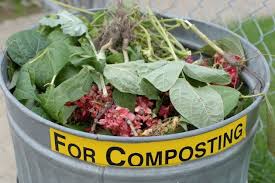
composting food scraps and yard waste in order to free up space in our overflowing landfills. We aspire to help people set up and maintain personal or communal compost systems not only to enhance their own personal lives, but also to better the state of their local communities.
Who can compost?
ANYONE! Composting is steadily gaining popularity in schools, farms, restaurants, cities, and residences across the nation. Venture into your town and you're likely to find compost bins alongside the recycling and garbage containers you're already familiar with. Composting is practical and simple; applicable in any environment. Join the movement today!
Basics to Know
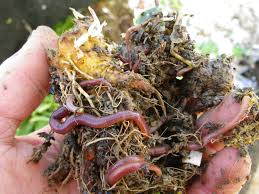
The composting process can take anywhere from a few months to a few years to complete. Finished compost can be used both outdoors and indoors as a natural fertilizer for plants. Composting is generally done outside in a backyard, but people with apartments can turn to vermicomposting indoors. Although the task itself is not overly complicated, there are some guidelines you need to know. Check out our "Starting Out" page to find all the info you need!